
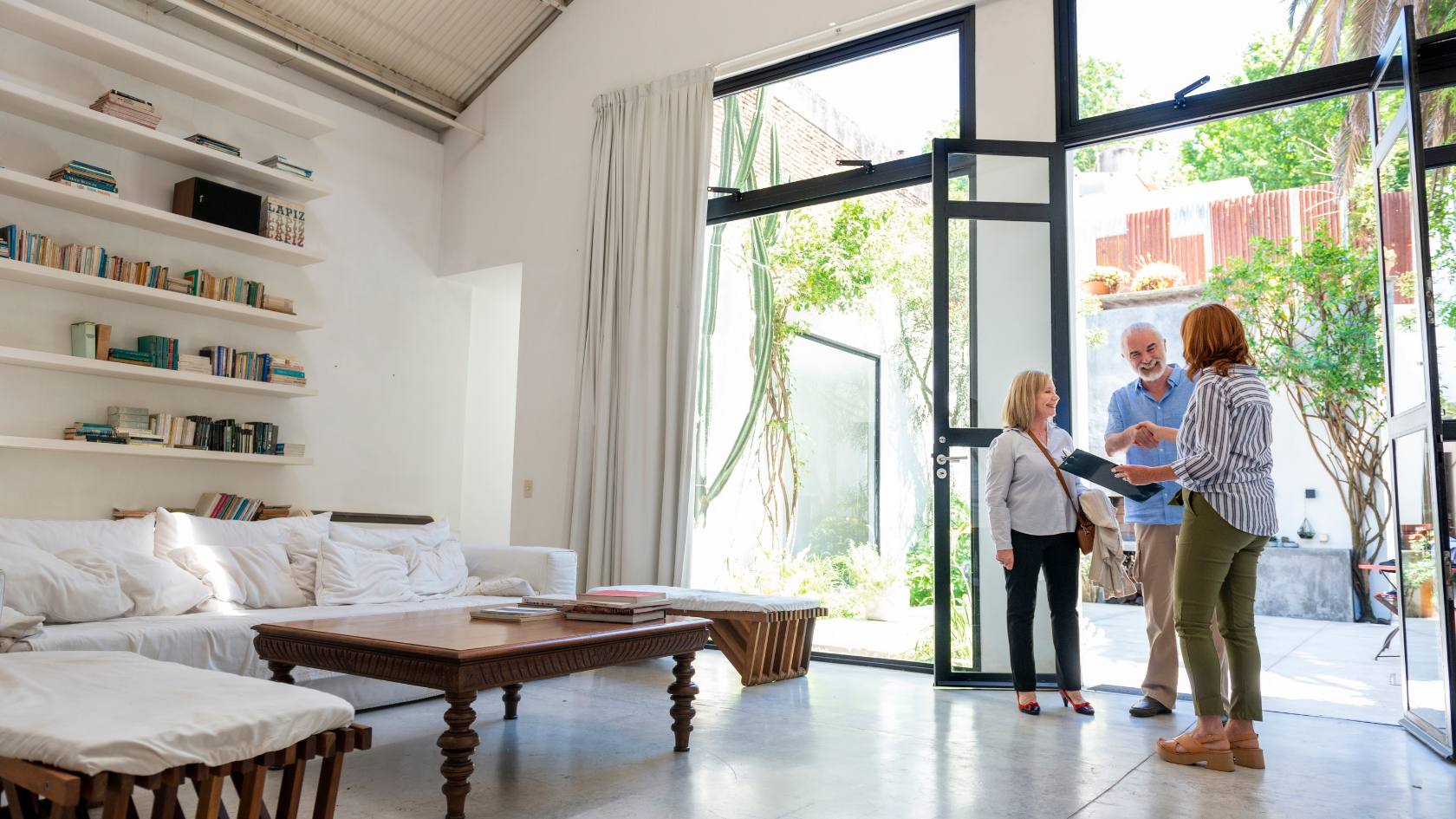
The aim is to remove distractions, improve presentation and make buyers feel the home has been well cared for. Start with the basics. Clean thoroughly, declutter heavily and complete obvious repairs such as dripping taps, loose handles, cracked light fittings and damaged flyscreens. Buyers notice unfinished jobs quickly because they raise doubts about what else may have been neglected. A tidy, maintained home builds trust before a word is spoken.
Next, focus on the areas that shape first impressions. Street appeal matters because buyers often decide how they feel before they walk through the door. Mow the lawn, trim the edges, pressure clean paths and refresh garden beds. Inside, make spaces feel larger and lighter by removing extra furniture, opening blinds and using neutral styling. If paint is tired or marked, a fresh coat in a light colour can make a dramatic difference. Good presentation is not about creating a show home. It is about making the property feel clean, easy to maintain and ready to move into.
It is also important to be selective about upgrades. New kitchens and bathrooms are expensive and do not always return more than they cost. If cabinets are sound, small changes such as new handles, regrouting, better lighting or updated tapware can lift the look without a major outlay. Flooring is similar. If carpet is badly worn, replace it. If timber floors can be polished, that may be enough. Spend money where buyers will notice immediate benefit, not on hidden extras that make little difference to emotion or value.
Before spending on anything substantial, speak with a local agent who knows what buyers in your area respond to. The right advice can stop you wasting money on work that will not improve the result. Often the best return comes from a well-cleaned, well-styled and well-priced home rather than a heavily renovated one. A smart preparation plan improves buyer confidence, helps photos stand out and gives your campaign the best possible start.
One of the most useful exercises is to walk through the home as if you were seeing it for the first time. Note anything that feels tired, crowded, dark or unfinished. Then separate those points into simple fixes, worthwhile improvements and changes that are not worth the spend. That approach keeps preparation practical and helps direct money toward the things buyers will actually notice.
In other words, the best result usually comes from making a series of good decisions early rather than trying to fix avoidable problems once the property is already on the market.